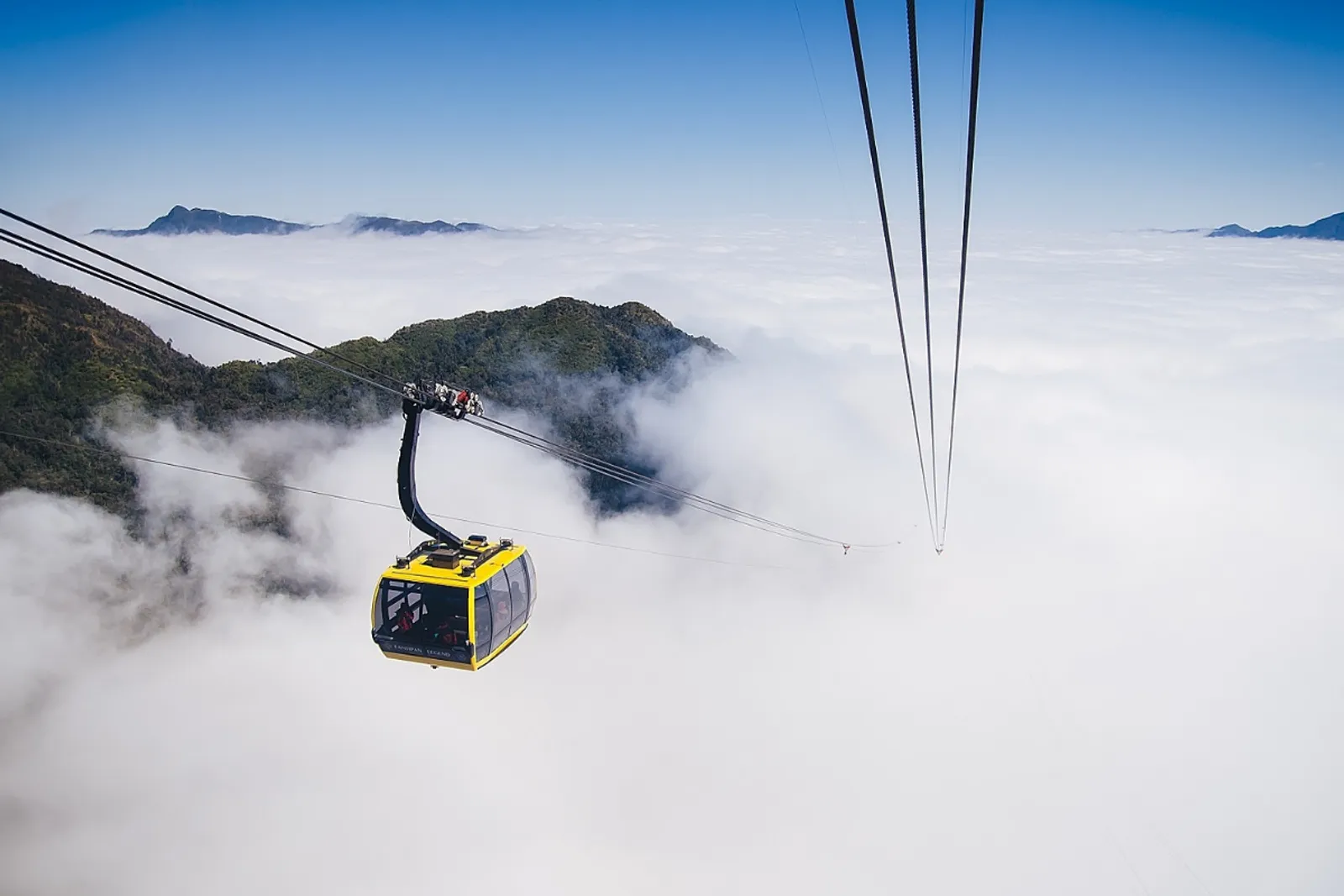
Fansipan is the highest mountain in Vietnam and mainland South-East Asia at 3,147.3 m, and since 2016 you can be standing on top of it twenty minutes after leaving Sa Pa. The cable car holds two Guinness records, the summit carries a Buddhist complex built in Trần-dynasty style, and the park opens at 07:30. Go in the morning or you will see cloud.
How high is Fansipan?
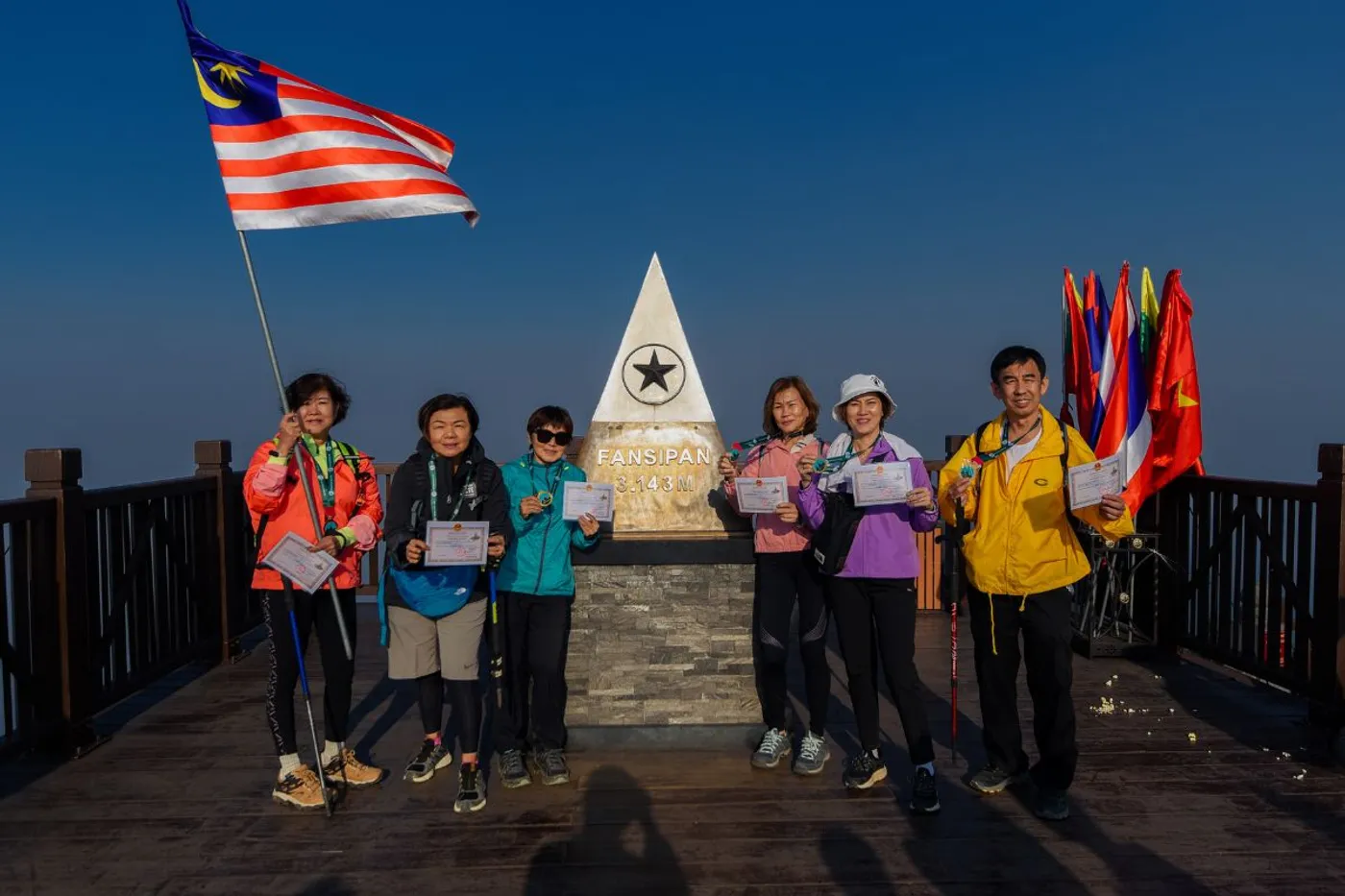
3,147.3 m. That figure comes from a satellite re-measurement by Vietnam's Department of Survey, Mapping and Geographic Information, announced on 26 June 2019. It replaced 3,143 m, the height French surveyors recorded in 1909 and which many signs, guidebooks and even some park literature still print. If you see both numbers, the 2019 one is current.
What is the Fansipan cable car?
A three-rope cable car running 6,292.5 m from the Hoàng Liên station in Sa Pa to the summit area, climbing 1,410 m on the way, in about twenty minutes. Guinness World Records recognised it in February 2016 for two titles: the longest non-stop three-rope cable car, and the greatest elevation difference by a three-roped cable car.
In practice it means a mountain that used to take two days on foot is a half-day outing. The cabins are large, they run in most weather, and the view from the middle section over the Mường Hoa valley is the best part of the ride.

How do you get from the cable car to the summit marker?
Two ways. The Do Quyen funicular runs from the upper cable car station to the summit platform, at 150,000 VND one way up, 120,000 VND down, or 270,000 VND return, with children under 1 m free. Or you walk the stone staircase that climbs the last stretch of ridge.
For older travellers we book the funicular up and let people walk down at their own pace. For anyone fit, walking up and riding down works just as well and costs less.
What is the Muong Hoa funicular?
A second, separate railway: about 2 km from the MGallery end of Sa Pa town up to the cable car station, in two cabins carrying 200 passengers each, moving up to 2,000 people an hour. It opened in 2018 and it exists to avoid the narrow access road.
It is a convenience, not an attraction. If you have a car and driver with you, you do not need it.
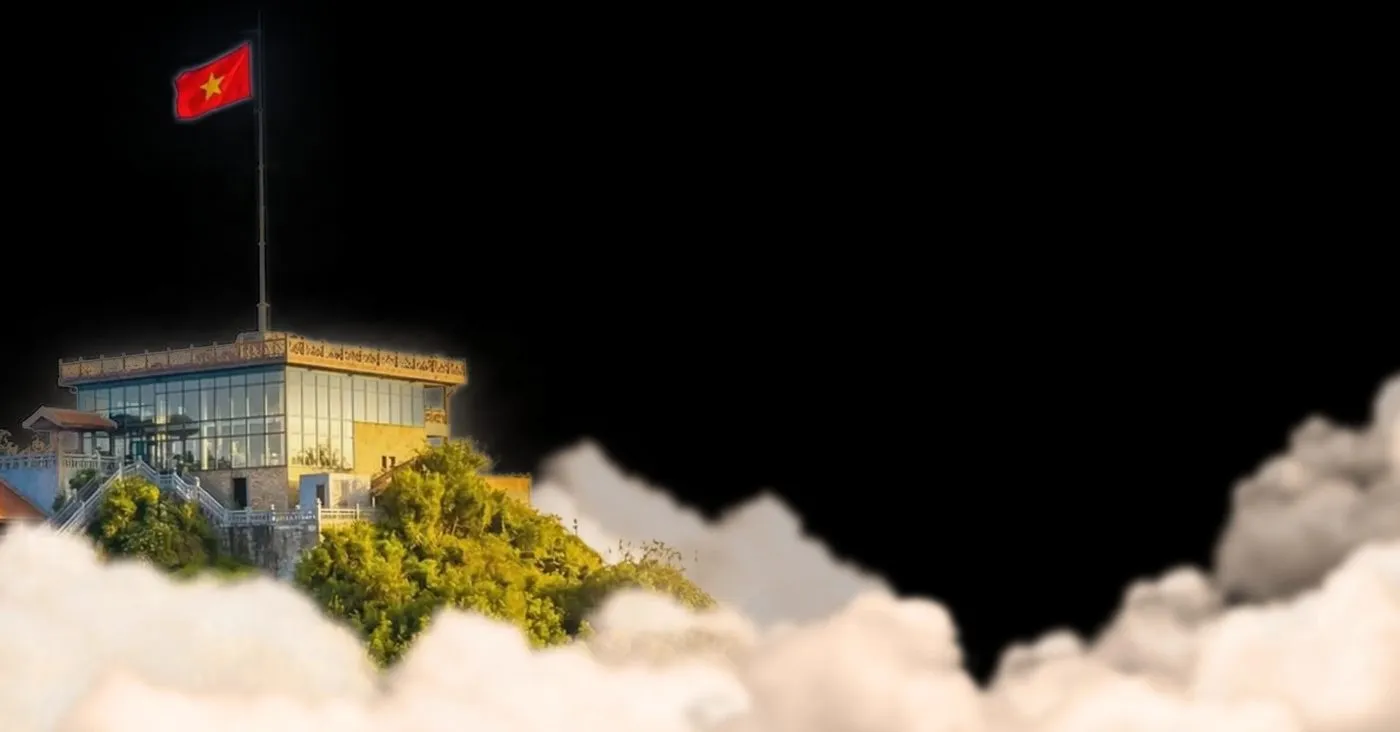
What is at the top of Fansipan?
A spiritual complex, not just a viewpoint, and it is the part most first-time visitors underestimate:
- Đại Tượng Phật A Di Đà — a 21.5 m bronze Amitabha Buddha at about 3,000 m, assembled on site from thousands of 5 mm copper sheets over an iron frame of nearly 1,000 m³. It is the tallest Amitabha statue in Vietnam.
- Bích Vân Thiền Tự — a Trần-dynasty-style temple at about 2,900 m.
- Kim Sơn Bảo Thắng Tự — the larger pagoda complex in the same architectural style.
- Đường La Hán — the arhat path, lined over its last 200 m with 18 bronze arhat statues, 2.5 m standing and 2 m seated, each weighing up to 500 kg.
- Đài gác Đại Hồng Chung — a 35 m eight-roofed bell tower on the cloud yard, and a 9 m bronze Quan Âm.
Eighty stone steps lead from the monolithic triple gate up to the lower pagoda, and that is before the climb to the marker. Factor the steps into your timing if anyone in the group is slow on stairs.

When does Fansipan open?
The park publishes 07:30 to 17:00, and says the hours can change — they extend them for festivals and shorten them in bad weather. The practical rule is to be at the cable car station when it opens. Cloud builds through the morning in most seasons, and by two in the afternoon the summit is often inside it.
Is there halal food at Fansipan?
Yes, and this is worth knowing if you are travelling with Muslim guests. Sharia Restaurant sits on the third floor of the Hoàng Liên cable car departure station and cooks to halal requirements — nasi goreng, curries, rice and noodle dishes, pizza and pasta — with a dining room facing the Hoàng Liên Sơn range. The park also sells a halal buffet lunch ticket.
Two honest caveats: the park does not name a certifying body for the kitchen, and it does not publish prayer facilities. For groups where certification matters, ask us and we will confirm in writing before the booking.
What is May Village?
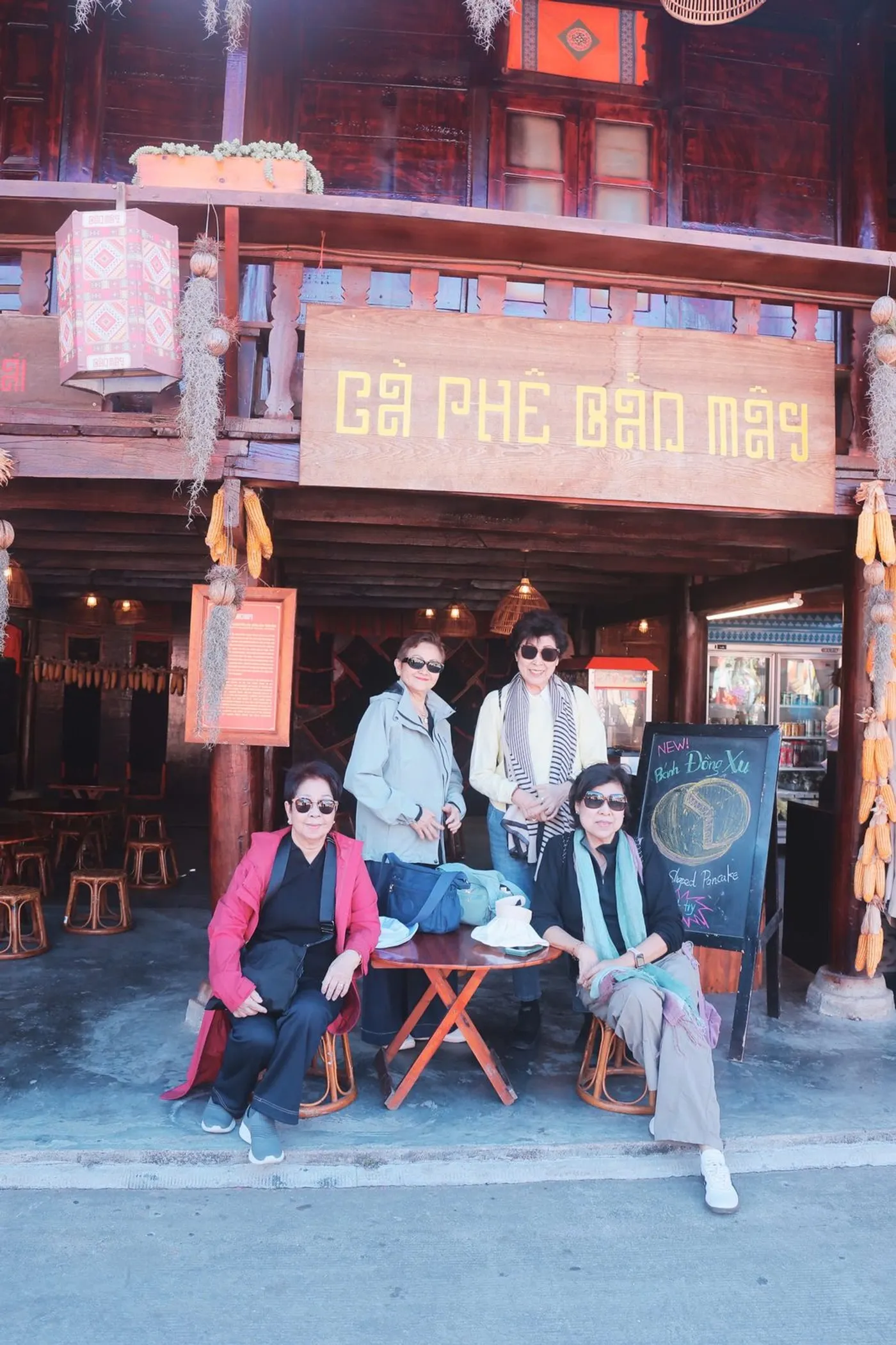
A reconstructed hill-tribe village in the cable car station area, where visitors can watch brocade embroidery, fabric dyeing and other crafts, and where Cà Phê Bản Mây — the timber coffee house — sits. It fills the twenty minutes between the cable car and the funicular, and it is the only part of the complex that tries to explain the people whose mountain this is.
When is the best time to climb Fansipan by cable car?
| Period | What you get | Worth knowing |
|---|---|---|
| October – November | The clearest skies of the year | Our preferred window |
| December – February | Frost, sometimes snow, long queues when it falls | The summit is far colder than town; snow is news in Vietnam |
| March – May | Mild, azaleas on the upper slopes | Good walking weather |
| June – August | Warm, wet, frequent afternoon cloud | Ride first thing or not at all |
How cold is it at the summit?
Much colder than Sa Pa. The summit stands more than 1,600 m above the town, and the difference is large enough that visitors in shorts routinely buy a jacket at the station. Take a layer up with you even in August, and a proper coat between December and February.
How long does a Fansipan visit take?
Three to four hours door to door from Sa Pa town, including the cable car both ways, the funicular or the steps, the summit, and twenty minutes at May Village. Allow longer at weekends and during Vietnamese holidays, when the queue at the summit marker can add an hour by itself.
Where do the prices stand?
Published ticket prices change without much notice, and the park's own pages and its ticket agents do not always agree. Our Sapa guide carries the current published figures, with the source and date against each one, and we confirm every gate price on the day we book.
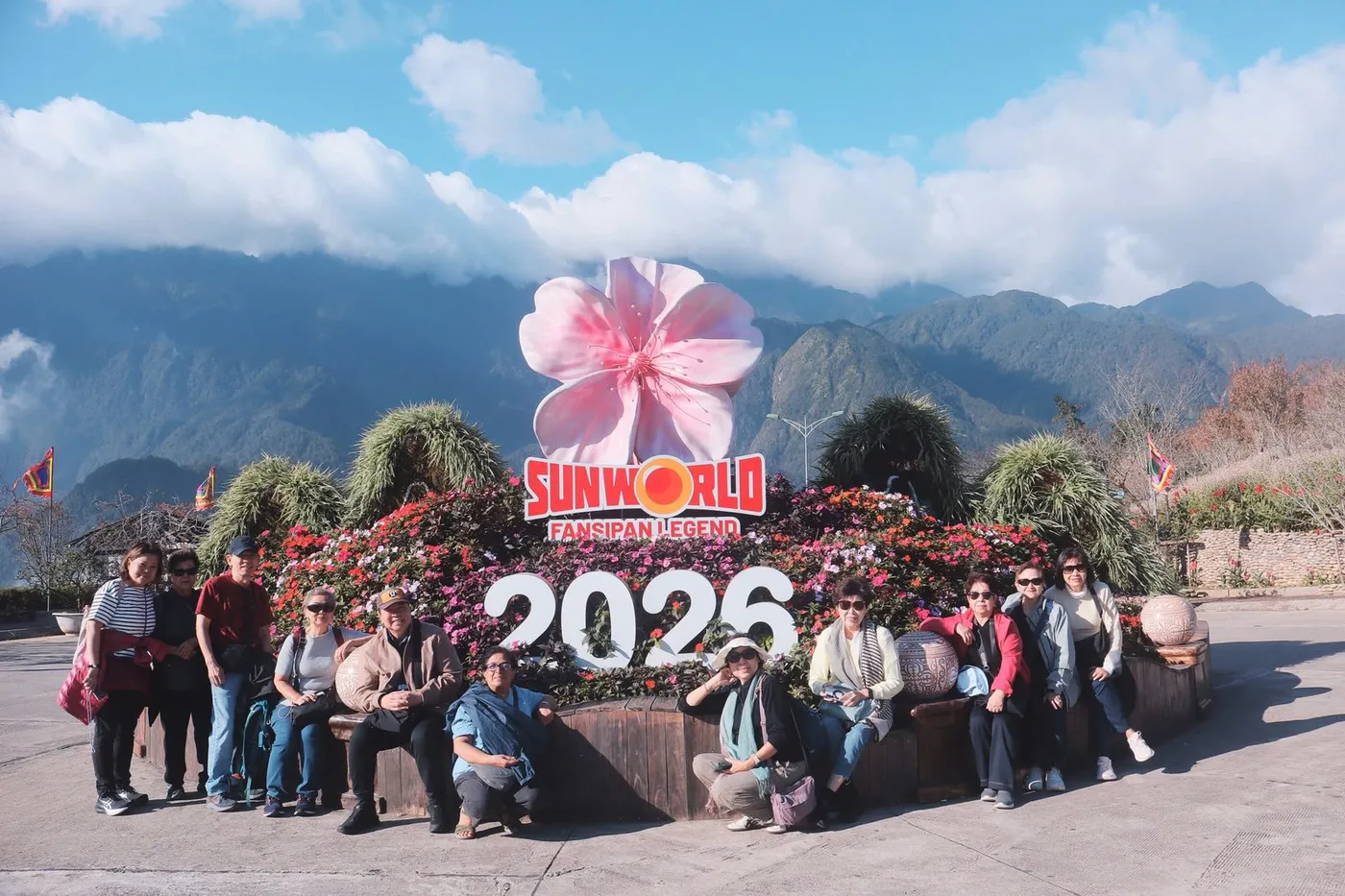
Planning Fansipan with us
Fitting Fansipan into a northern Vietnam trip? Tell us your dates, your group and whether anyone needs the funicular or a halal lunch, and we will build the morning around it — sales@worldmatetravel.com or WhatsApp +84 988 660 505.